
The study authors believe an eruption occurred around 1345, about two years before the start of the pandemic, from either a single volcano or a cluster of volcanoes of unknown location, likely in the tropics. The resulting haze from volcanic ash would have partially blocked sunlight across the Mediterranean region over multiple years, causing temperatures to drop and crops to fail.
An ensuing grain shortage threatened to spark a famine or civil unrest, so Italian city-states, such as Venice and Genoa, resorted to emergency imports from the Black Sea region, which helped keep the population fed.
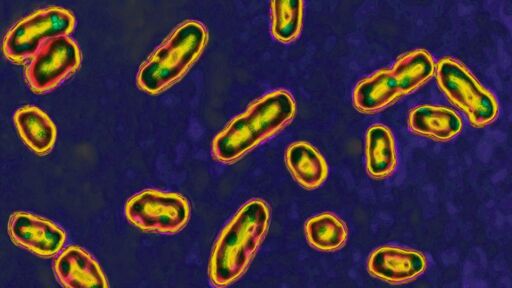
However, ships that carried the grain were loaded with a deadly bacterium: Yersinia pestis. The pathogen, originating from wild rodent populations in Central Asia, went on to cause the plague that devastated Europe.
“might have been set in motion by a volcanic eruption, a new study suggests” … sounds pretty vague.
So let’s look at the actual paper; https://www.nature.com/articles/s43247-025-02964-0
It says that “trans-Mediterranean famine [caused by the volcanos]… forced the Italian maritime republics … [to] import grain from the Mongols of the Golden Horde … [That] not only prevented large parts of Italy from starvation but also introduced the plague bacterium to Mediterranean harbours…”
In short, the disease was caused by bacteria, imported along with the disease, because of crop failures. NOT by the volcanos. ‘Set in motion’ = weasel-words
Nice try, article. The headline clearly says the volcano released magic super-germs from deep inside the Earth.
The study authors believe an eruption occurred around 1345, about two years before the start of the pandemic, from either a single volcano or a cluster of volcanoes of unknown location, likely in the tropics. The resulting haze from volcanic ash would have partially blocked sunlight across the Mediterranean region over multiple years, causing temperatures to drop and crops to fail.
Wow, that’s exactly what happened just before the Plague of Justinian (i.e., the volcanic winter of 536). I’m surprised they don’t mention that in the article.
you should email the author of the nature paper! https://www.nature.com/articles/s43247-025-02964-0